There are no items in your cart
Add More
Add More
| Item Details | Price | ||
|---|---|---|---|

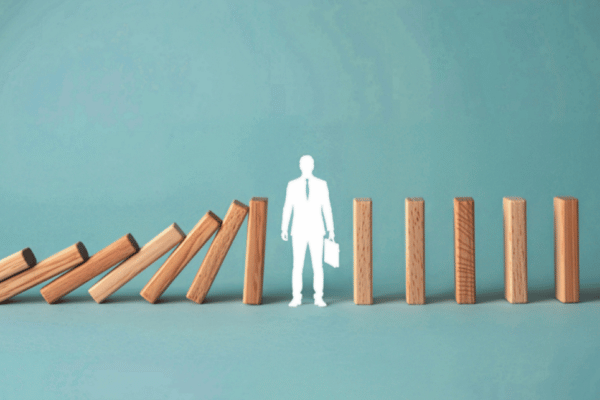
If you feel constantly exhausted by the time Friday rolls around, you are not alone. In 2026, the nature of workplace burnout has shifted. We are rarely dealing with single, catastrophic stress events anymore. Instead, we are battling "micro-stressors"—the endless ping of notifications, back-to-back video calls, the pressure of adapting to new tech tools, and the blurring of work-life boundaries. 😇
This slow burn of ambient stress drains our cognitive reserves before we even realize what is happening. The old solution was to push through it and wait for a long weekend or a two-week vacation to recover. But taking a break twice a year doesn't fix a daily problem. 🤔
The new, sustainable antidote is Micro-Resilience.
Instead of waiting for a massive reset, micro-resilience is about building tiny, intentional recovery habits into the margins of your workday. It is the practice of repeatedly bringing your nervous system back to baseline. Here is how you can practically implement it starting tomorrow:
1. The 60-Second Transition (Box Breathing): We often jump directly from a highly stressful client call straight into a deep-focus spreadsheet. Your brain never gets a chance to decompress, carrying the anxiety from one task directly into the next.
Example: Use the concept of "box breathing" between tasks. Breathe in for 4 seconds, hold for 4, exhale for 4, and hold for 4. Just one minute of this before opening your next application physically lowers your cortisol levels, stopping the stress from accumulating. 😤
2. Low-Stakes "Flow" States: When we are overwhelmed, our instinct is to "revenge scroll" on social media to zone out. But passive scrolling actually increases mental fatigue. True recovery requires active, low-stakes engagement.
Example: Spend ten minutes on a tactile, offline task that requires light focus but has zero professional consequences. Do a quick physical stretch, make a pour-over coffee, or doodle on a notepad. These small acts pull you out of the anxiety loop and into a restorative mental state. 🧑🏼💻
3. The 10-Minute Boundary Rule: Technology makes us feel like every message is an emergency. Constant reactivity is the fastest path to burnout.
Example: When you receive a late-night email or a non-urgent weekend message, wait ten minutes before replying. In that pause, ask yourself: "Does this need an answer tonight, or can it wait until tomorrow morning?" Nine times out of ten, it can wait. 🎯
Resilience isn't about enduring more pain and working longer hours; it is about recovering faster. By injecting your day with these tiny moments of recovery, you protect both your peace and your long-term productivity. 💪🏼
SkillUVA is committed to your personal development and wants you to be better on your journey as a professional; therefore, it offers you this amazing course on How to Overcome Anxiety, FREE with your VIP Membership, or buy it for Rs. 199/- only.
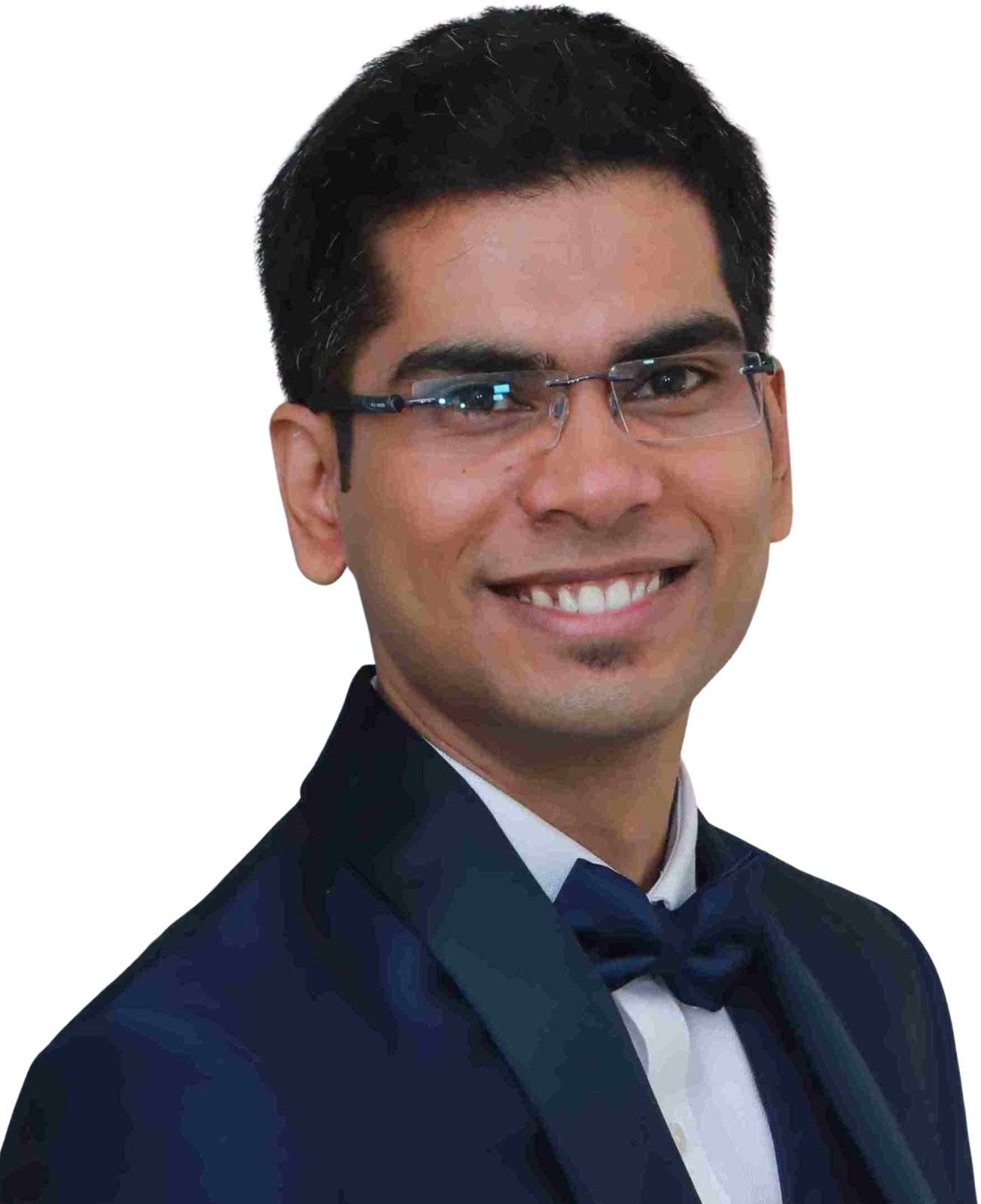
Dr. Ashish Parnani
Founder & Director - SkillUVA
 Launch your Graphy